Their whole lives will be shaped by this war.
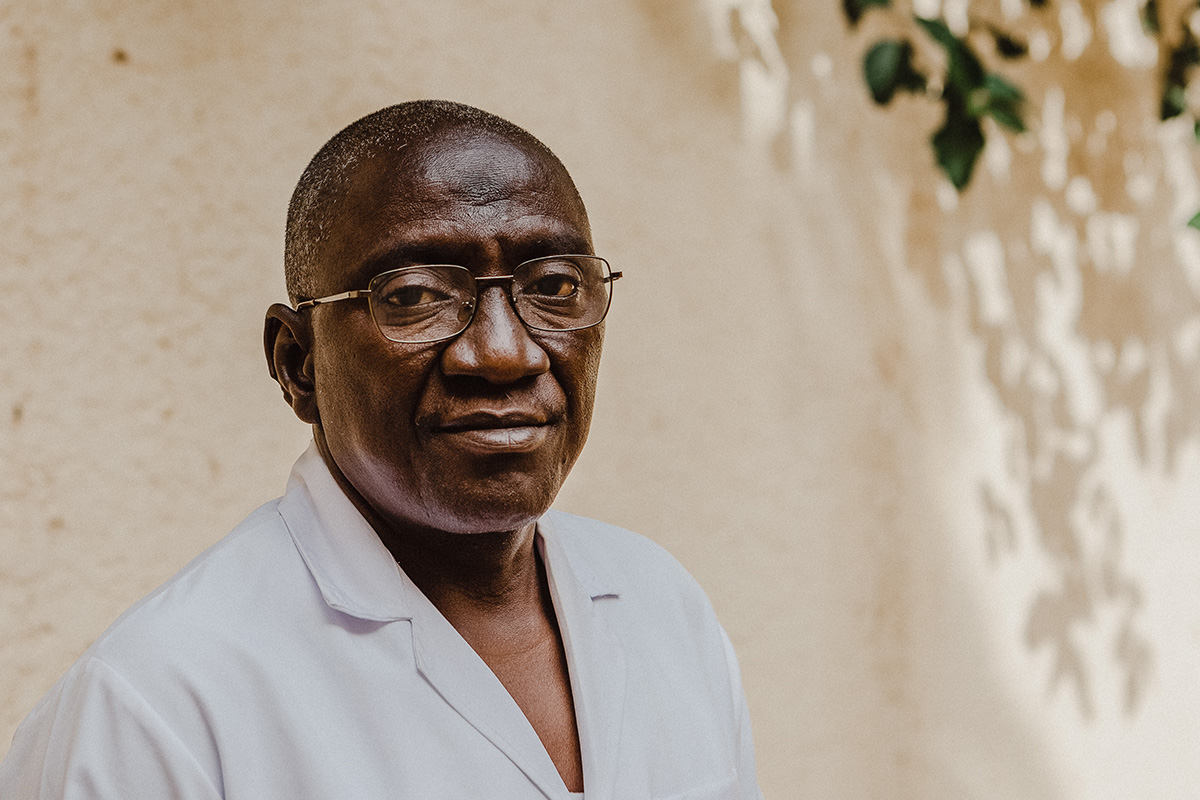
For five months, Alzouma, a psychologist, worked with alleged Boko Haram inmates. Psychological support is a key step of Search’s reintegration program, funded by the European Union.
At first, the detainees in Kollo prison didn’t trust Alzouma. "The first few months were difficult. I was face to face with real former combatants who had a hard time opening up to others," he explains. Many prisoners suffered from the same symptoms: insomnia, stress, and depression. Alzouma’s first step was to help them manage these issues.
Through a long process of psychosocial support, Alzouma addressed their trauma. "The denial came out a lot in our conversations: I didn't kill, I was wrongly accused.” When hearing these responses, the psychologist questioned the role of each person in relation to Boko Haram. "If you offer a fighter a drink to quench his thirst, therefore enabling him to continue his journey and his massacres, are you guilty or not?" he asked. Some inmates began to recognize themselves in the psychologist's words, allowing them to make progress toward individual transformation.
Some detainees struggled with intense guilt. Far from combat frontlines, the inmates developed a new awareness of the harm they caused. "The trauma wakes up for some people. Guilt sometimes manifests itself in the form of psychological disorders. What impresses me is what I see in people's eyes in terms of regrets and questions about the future," Alzouma says.
In Kollo, the concerns of the detainees are in line with those of the communities: what will happen next? "The inmates often ask the same questions: where is my family? What will I do if I come home and find out that my mother, father, and sister are dead ?" says Alzouma. Stigma is also a recurring theme: "If there are victims of Boko Haram in my village, will they see in me the person responsible for what they are going through?”
The psychologist helped prisoners face other forms of denial. "Some prisoners were in this mindset: If I go home, there will be no problems. It was necessary to remind them of what their return can generate—the traumas that it can awaken in the communities but also in them in the face of a reality they were not prepared for. Their whole lives will be shaped by this war," he concludes.