“At the end of the day, they are just kids.”
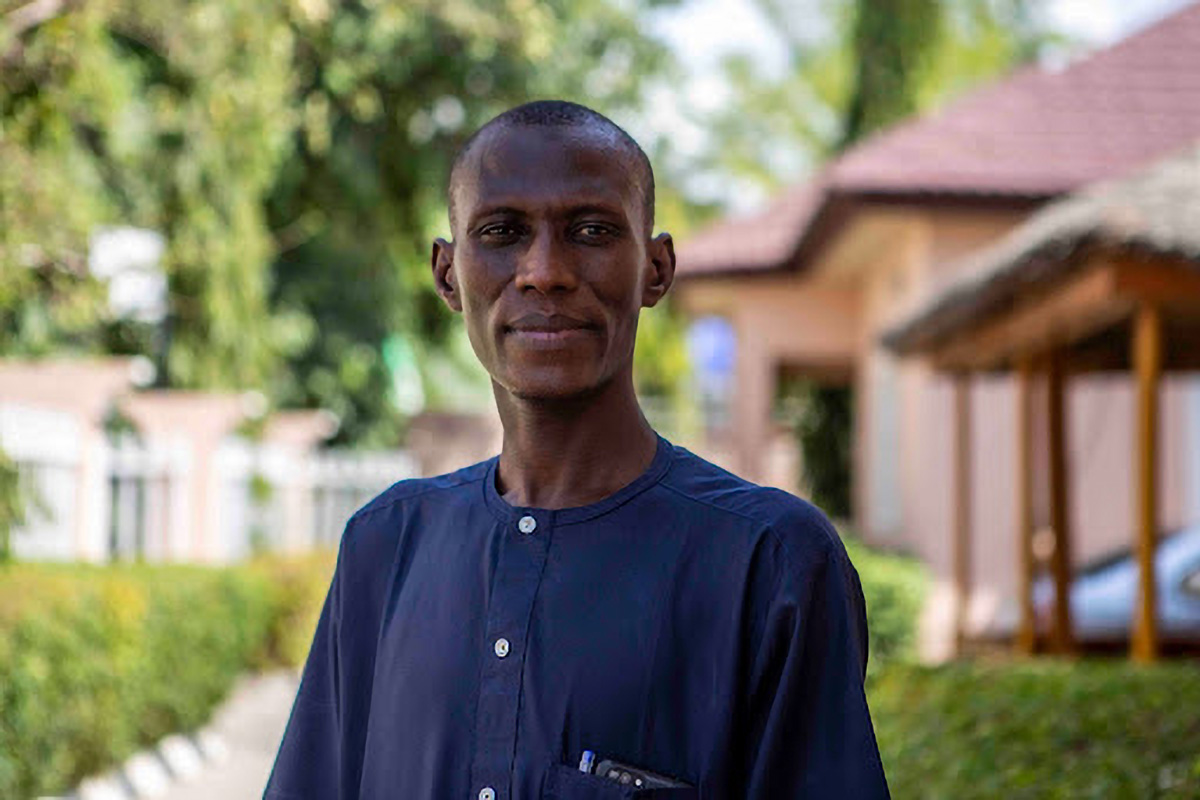
"As long as people are in the middle of the trauma, inside the crisis, healing cannot happen. It's more about coping than healing," says Ahmed, a psychologist. Nigeria's Boko Haram insurgency, which began in 2009, is not yet over. Trapped inside the conflict, many children find themselves either facing or holding weapons.
As part of the UNICEF-funded project, Ahmed addresses children's trauma from all sides, whether working with former vigilantes or survivors from violent extremist groups. "We do awareness-raising and resilience building, and we teach children the symptoms of trauma so they can seek positive coping mechanisms."
The scars of violence linger: insomnia, reminiscences, intrusive thoughts, depression. Scars that are sometimes too raw. "One young girl had seen her parents killed before her eyes. Whenever she closed her eyes, she saw the scene replaying itself".
When the trauma is too severe, he can refer the child to a specialized service. "This young girl had stopped eating, isolating herself completely. We called colleagues to prevent her from falling into a deeper depression. Today, she is better; she has even found a job".
Sometimes, people use other means to numb painful memories:, "Drugs became rampant in the camps." So Ahmed sensitizes young people "who often don't know the dangers or other ways to deal with trauma." He offers them positive ways to cope and mitigate the impact on those around them. Trauma never stops at oneself.
Children are often too young to grasp the full impact of decisions and experiences. "I remind people that at the end of the day, they are just kids." And so Ahmed fights head on the stigma that children face, his efforts rippling across society—children, families, communities.
"One child confided that without the support we gave him, the resilience he was able to build, he was already planning on returning to the Sambisa forest", the stronghold of Boko Haram. "The stigma was too strong in his community and family."
In this case, Ahmed convenes the parents and community leaders, explaining the need for the reintegration process and for everyone to participate. "The parents then promised that they would do everything in their power to help their child, to help him become the person he wants to be."
According to Ahmed, psychosocial work is the foundation on which the other steps necessary for reintegration are built. "You can't be able to work, study, function normally if your mind is not stable." The other pillars of the project, such as accelerated learning and vocational training, similarly support Ahmed's intervention as "diversional" therapy.
"Idleness adds another toll to trauma. When a young person is either working or going to school, they have no time to spend at home, being influenced by bad company, being plagued by bad thoughts."
And, why destroy when you can build? "I visited the camp to see a former participant. He had received a grant to set up a store, which is now steadily filling up, and told me about his plans to buy a lot to build a house. A year ago, I would not have expected him to come to this point. He is not thinking about armed groups but about building himself, without violence."